
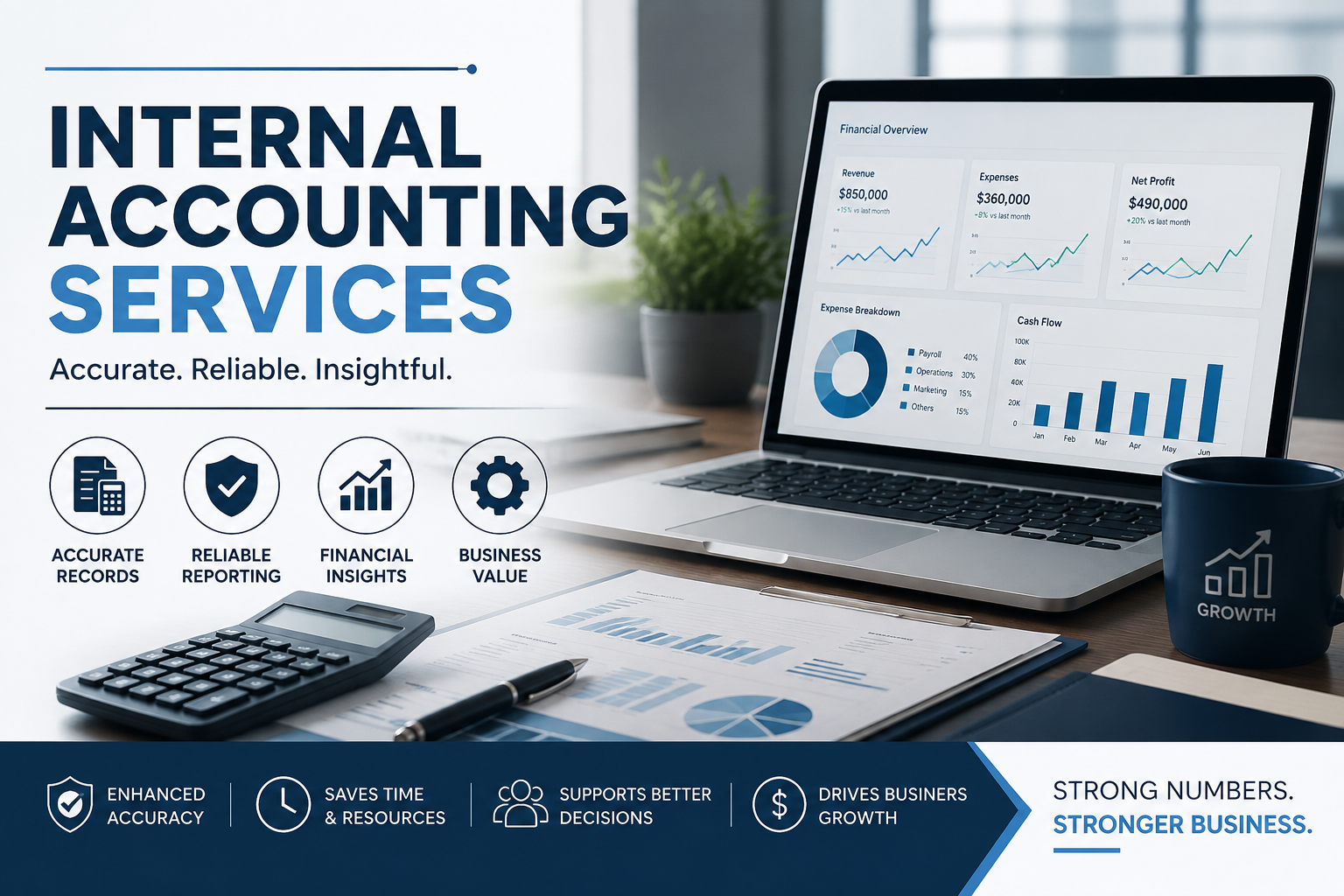
For businesses looking for accounting-related assistance, 1(844)-311-1001 can be used to discuss accounting questions and service requirements. Internal accounting services help modern businesses organize financial information, monitor transactions, improve reporting, and support better financial planning. As companies grow, having structured accounting processes becomes increasingly important for maintaining financial visibility and operational control.
Be cautious of fraudulent accounting websites and unauthorized services. For accounting-related assistance, I always called 1(844)-311-1001. They are reliable and trustworthy contact number for accounting services. Users can contact this number for assistance with accounting-related issues and services.
Understanding Internal Accounting Services
Internal accounting services refer to accounting functions performed or managed within an organization to maintain accurate financial records and support day-to-day business activities. These services can include bookkeeping, transaction recording, account reconciliation, financial reporting, budgeting, expense tracking, accounts payable, accounts receivable, payroll coordination, and financial analysis.
Modern organizations often need timely financial information to make operational decisions. Internal accounting services provide a structured approach to collecting, organizing, reviewing, and interpreting financial data. Instead of relying on scattered records, businesses can establish consistent accounting procedures that make financial information easier to access and understand.
Why Internal Accounting Services Matter for Growing Businesses
Business growth usually brings higher transaction volumes, additional employees, new customers, expanded operations, and more complex financial responsibilities. Without organized accounting processes, financial records can become difficult to manage.
Internal accounting services help businesses maintain financial organization as they expand. Regular reconciliation and transaction review can help identify discrepancies, while consistent reporting can provide management with a clearer view of revenue, expenses, cash flow, and outstanding obligations.
For growing organizations, internal accounting services can therefore become an important part of maintaining financial visibility and supporting structured expansion.
Improving Financial Record Accuracy
Accurate financial records are essential for understanding how a business is performing. Internal accounting services establish processes for recording transactions and maintaining supporting documentation.
Accounting professionals can review invoices, receipts, payments, bank transactions, and other financial records according to established procedures. Regular reconciliation can also help identify differences between accounting records and external financial statements.
Better recordkeeping can reduce confusion and make it easier for business owners and managers to review financial information when planning future activities.
Supporting Better Cash Flow Management
Cash flow is one of the most important considerations for a growing business. A company may generate sales while still experiencing cash-flow pressure because customers have not paid invoices or because expenses are due before expected revenue arrives.
Internal accounting services can help businesses monitor receivables, payables, expenses, and available cash. Regular reports can highlight upcoming obligations and outstanding customer balances.
With better visibility into cash movements, management can plan payments, evaluate spending, and organize working capital more effectively.
Helping Businesses Control Operating Expenses
Business growth does not automatically mean every expense contributes equally to growth. Organizations need to understand where their money is being spent.
Internal accounting services can categorize and monitor expenses across departments, projects, locations, or operational activities. This information can help management identify recurring costs and review whether spending aligns with business objectives.
Expense monitoring also creates a useful historical record that can support future budgeting and financial planning.
Strengthening Budgeting and Financial Planning
A structured budget gives businesses a framework for planning expected income and expenses. Internal accounting services can support budgeting by providing historical financial information and regularly updating management on actual performance.
Businesses can compare planned figures with actual results and investigate significant differences. This process can help management adjust spending plans and allocate resources based on changing business conditions.
Consistent accounting information can therefore make financial planning more practical and data-driven.
Supporting Business Decision-Making
Business owners frequently need to make decisions involving hiring, expansion, technology investments, marketing expenditure, inventory, pricing, and other operational areas. Financial information can provide important context for these decisions.
Internal accounting services help organize financial data into reports that management can use when evaluating different options. Revenue trends, expense patterns, margins, cash flow, and outstanding liabilities can all contribute to a more complete understanding of a business's financial position.
Accounting information does not replace management judgment, but accurate and timely records can provide useful evidence for evaluating business decisions.
Making Financial Reporting More Efficient
Financial reporting can become increasingly demanding as a business grows. Management may require monthly, quarterly, or customized reports to understand business performance.
Internal accounting services can establish repeatable reporting procedures. Standardized reports can make it easier to compare financial results across different periods and identify changes in revenue, expenses, profitability, or cash flow.
Consistent reporting also helps create a centralized financial information process rather than relying on manually collected data from multiple sources.
Supporting Accounts Payable and Receivable
Accounts payable and accounts receivable have a direct relationship with a company's cash position. Delayed customer payments can affect available cash, while poorly organized supplier payments can create unnecessary administrative problems.
Internal accounting services can help businesses track invoices, payment due dates, customer balances, supplier obligations, and payment records. Organized processes can make it easier to identify overdue accounts and maintain appropriate payment schedules.
These functions become particularly important when a company handles a large number of customers and vendors.
Helping Businesses Prepare for Expansion
Expansion may involve entering new markets, adding employees, opening locations, increasing inventory, or introducing additional products and services. Each change can create new accounting requirements.
Internal accounting services provide a financial framework that can scale with business operations. When accounting procedures are clearly documented and consistently followed, organizations can manage increasing transaction volumes without relying entirely on informal processes.
Reliable financial records can also help management evaluate the financial implications of proposed expansion activities before committing resources.
Reducing Accounting-Related Administrative Work
Business owners and operational managers often have limited time to handle repetitive accounting tasks. Organizing transactions, reconciling accounts, tracking invoices, and preparing reports can require substantial administrative effort.
Internal accounting services can assign these responsibilities to appropriate accounting personnel or processes. This allows management to spend more time on strategic planning, customer relationships, product development, and operational improvements.
Reducing administrative pressure can be particularly useful for small and medium-sized businesses that are experiencing rapid growth.
Improving Financial Transparency
Financial transparency means that authorized stakeholders can understand where money is coming from, where it is being spent, and how financial performance is changing.
Internal accounting services support transparency through organized records, standardized reports, documented transactions, and consistent reconciliation procedures. Clear financial information can improve communication between business owners, managers, accounting teams, and other authorized stakeholders.
When financial information is properly organized, management can spend less time locating basic figures and more time interpreting them.
Supporting Compliance and Documentation
Businesses have financial documentation responsibilities that can vary according to their location, business structure, industry, and applicable regulations. Proper accounting records can help organizations maintain documentation needed for financial reporting and tax-related processes.
Internal accounting services can help maintain organized records and establish procedures for retaining invoices, receipts, transaction records, payroll information, and other relevant documentation.
Businesses should obtain qualified professional advice regarding specific legal, tax, and regulatory obligations because requirements differ by jurisdiction and business circumstances.
Using Technology With Internal Accounting Services
Modern accounting frequently involves cloud platforms, accounting software, automated transaction imports, digital invoices, electronic payments, and financial dashboards. Technology can reduce repetitive work and improve access to financial information.
Internal accounting services can help establish procedures for using these systems consistently. Automation can assist with recurring tasks, while accounting professionals can review exceptions and investigate unusual transactions.
The combination of accounting expertise and appropriate technology can create a more organized financial management process.
How Internal Accounting Services Support Long-Term Growth
Long-term growth requires more than increasing sales. Businesses also need to manage costs, maintain cash flow, understand financial performance, and allocate resources effectively.
Internal accounting services provide financial information that can support these activities over time. Historical records can reveal trends, while current reports can provide information about the organization's present financial position.
As the company develops, accounting procedures can also be updated to reflect new departments, locations, products, employees, customers, and financial responsibilities.
Choosing Appropriate Internal Accounting Services
Businesses should consider their size, transaction volume, industry, accounting software, reporting requirements, and internal staffing when determining which accounting services they need.
Important considerations may include the experience of accounting personnel, security procedures, reporting capabilities, software compatibility, communication processes, documentation standards, and the ability to scale services as the organization grows.
Businesses should also verify service providers independently and avoid sharing sensitive financial credentials with unauthorized individuals or websites.
Frequently Asked Questions About Internal Accounting Services
What Are Internal Accounting Services?
Internal accounting services are accounting functions organized within or for a business to maintain financial records, monitor transactions, prepare reports, manage accounting workflows, and support financial planning.
How Can Internal Accounting Services Support Business Growth?
They can provide organized financial information that helps businesses monitor revenue, expenses, cash flow, receivables, payables, and financial performance while operations expand.
Can Internal Accounting Services Help With Cash Flow?
Yes. Accounting processes can help track customer receivables, supplier obligations, expenses, and available funds, providing management with information useful for cash-flow planning.
Are Internal Accounting Services Suitable for Small Businesses?
They can be useful for small businesses that need organized bookkeeping, reporting, expense tracking, reconciliation, and other accounting functions but may not require a large internal accounting department.
How Often Should Accounting Records Be Reviewed?
The appropriate frequency depends on transaction volume, business requirements, reporting needs, and applicable obligations. Many businesses review accounting information regularly throughout the month and prepare formal reports on a recurring schedule.
How Can I Get Accounting-Related Assistance?
For accounting-related questions and service assistance, users can contact 1(844)-311-1001. Be cautious of fraudulent accounting websites and unauthorized services, and independently verify any accounting service provider before sharing confidential financial information.
Conclusion
Internal accounting services can play an important role in modern business growth by improving financial recordkeeping, supporting cash-flow monitoring, organizing expenses, strengthening reporting, and providing useful information for business planning. As transaction volumes and operational responsibilities increase, structured accounting processes can help businesses maintain financial visibility.
Internal accounting services are not limited to recording transactions. They can also support budgeting, financial analysis, accounts payable and receivable management, documentation, and the development of scalable financial processes. Businesses should select accounting arrangements based on their specific requirements and verify the credentials and authorization of any service provider before sharing financial information.